Outlet Cover Materials Compared: Plastic vs. Metal vs. Wood
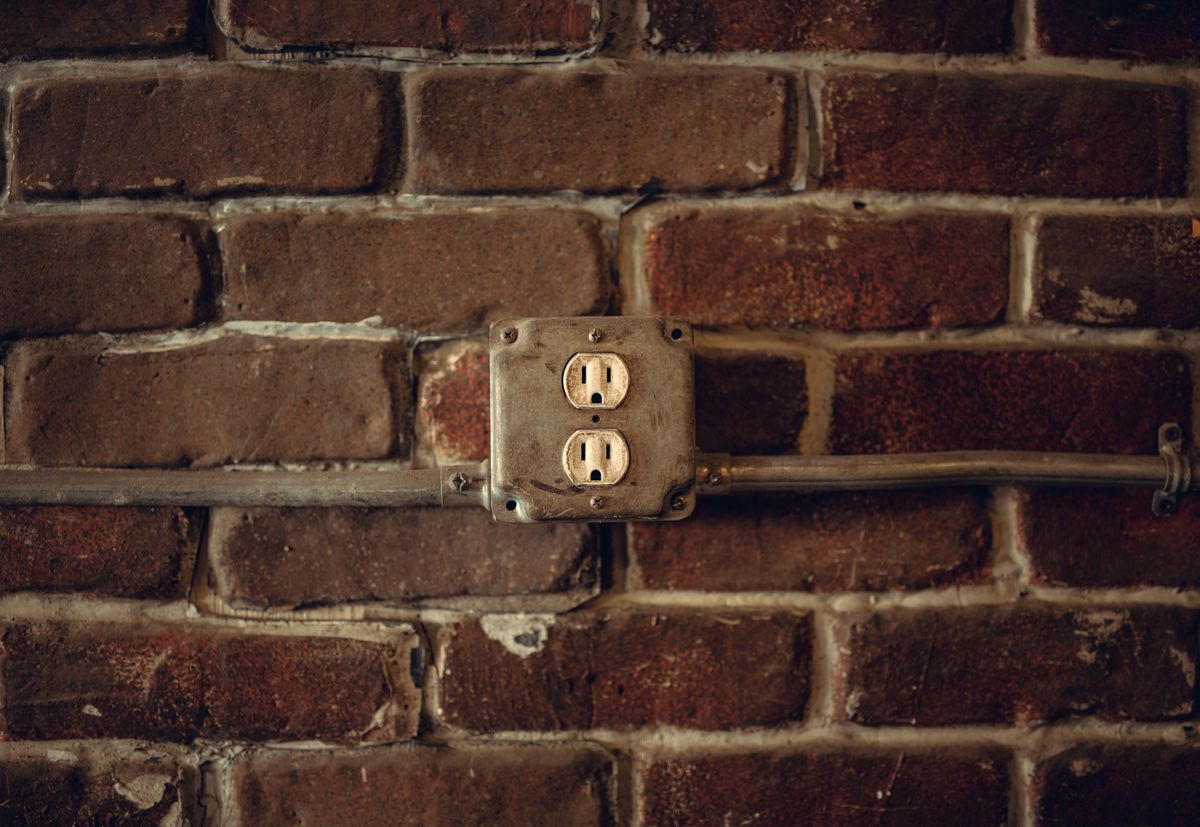
Photo by Benjamin Farren, Pexels License
Outlet covers get chosen on looks more often than material, but the material actually decides how the cover holds up, what it costs, and whether it’s the right fit for the room it’s going in.
Plastic
The default for a reason: cheap, available in almost any color, and easy to replace if it cracks or yellows over time. Plastic is the right call for a rental, a kid’s room, or any outlet you expect to swap covers on again later. The tradeoff is a slightly hollow feel and a shorter lifespan in direct sunlight, where it can discolor.
Metal (Stainless or Brushed Steel)
Metal covers cost more but hold their finish far longer and read as more deliberate in a kitchen or bathroom with existing metal fixtures — cabinet hardware, faucets, appliance trim. They’re heavier and mount more securely, which matters slightly more for a cable-management style cover with a deeper cavity holding plugs and slack cord.
Wood
The least common option and the most room-specific: wood covers work when there’s existing wood trim, paneling, or furniture nearby to match, and look out of place otherwise. They need occasional resealing if the room has any humidity, which rules them out for bathrooms.
Picking Based on the Room
- Rental or frequently changing decor: plastic
- Kitchen or bathroom with metal fixtures: metal
- Room with existing wood trim or furniture: wood
- Anywhere you need a deeper cavity for cable management, like the Refiner cable management outlet cover: material matters less here than depth and build quality, since the cover is doing a functional job first.
The Bottom Line
Match the material to the room’s existing hardware rather than picking the outlet cover as a standalone decision — a cover that matches nothing nearby stands out more than a plain unpainted one would.