How to Hide TV Cables Without Cutting Into Drywall
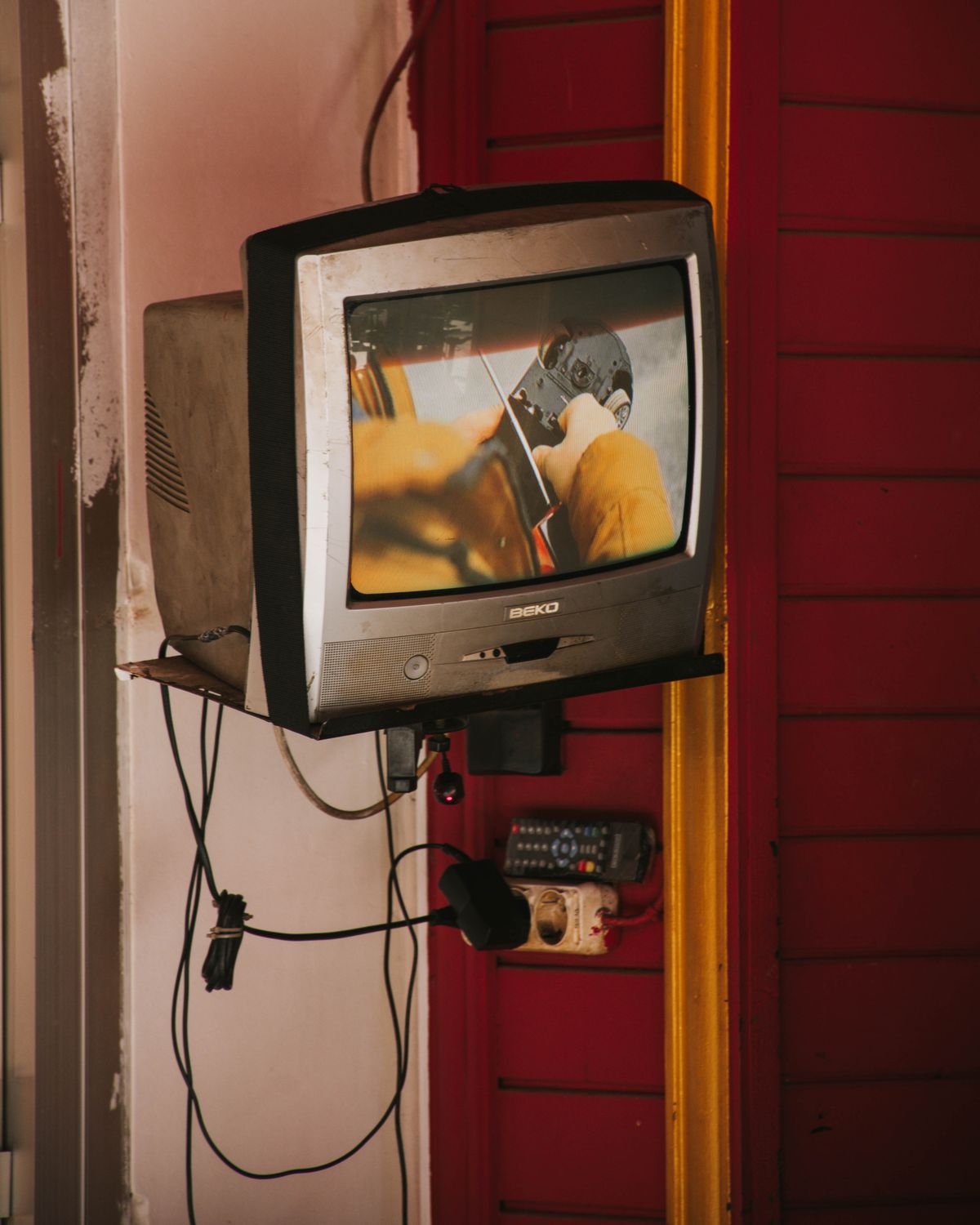
Photo by Ahmet Polat, Pexels License
The cleanest-looking TV setups usually aren’t hiding cables inside the wall — that’s an in-wall power kit, an electrician, and a permanent modification most renters simply can’t do. The good news is a tv mount cable concealer gets you 90% of that clean look with none of the commitment.
Why In-Wall Isn’t Always the Answer
Routing cables inside the wall cavity is the “invisible” option, but it requires cutting drywall, fishing cable through studs, and in most areas, a separate in-wall-rated power cable if you want the outlet moved behind the TV. It’s a real project, and it’s not reversible when you move out.
The Surface-Mount Alternative
A paintable cable channel or raceway mounts flat against the wall and can be painted to match, making it disappear at normal viewing distance. It typically comes in a few pieces:
- A vertical channel running from the TV down to outlet height
- Clips or adhesive backing to hold it flush against the wall
- A cover strip that snaps on after the cables are laid in
Because it’s surface-mounted, there’s no drywall work — just cleaning the wall, applying the adhesive strip, and pressing the channel into place.
Handling the Outlet End
The other half of the problem is what happens where the cables meet the wall outlet. A tangle of a power brick, an HDMI switch, and a streaming device power cord right next to the outlet undoes a lot of the clean look you just created above it. This is where a deeper wall outlet cover with a built-in cavity is worth pairing with your cable channel — it gives the plugs and slack a place to tuck away instead of dangling at the bottom of your neat vertical run.
A Few Practical Notes
- Measure the full run from TV to outlet before ordering a channel kit — most come in fixed lengths and you may need two.
- If you’re hiding an HDMI cable, check the connector width fits inside the channel before you commit to a paint job.
- For renters, stick to adhesive-backed or clip-mounted systems only — anything requiring wall anchors should get a quick check with your lease terms first.
Done right, this whole project takes an afternoon and is completely reversible if you move.