DIY vs. Professional Cable Concealment: What Each Really Costs
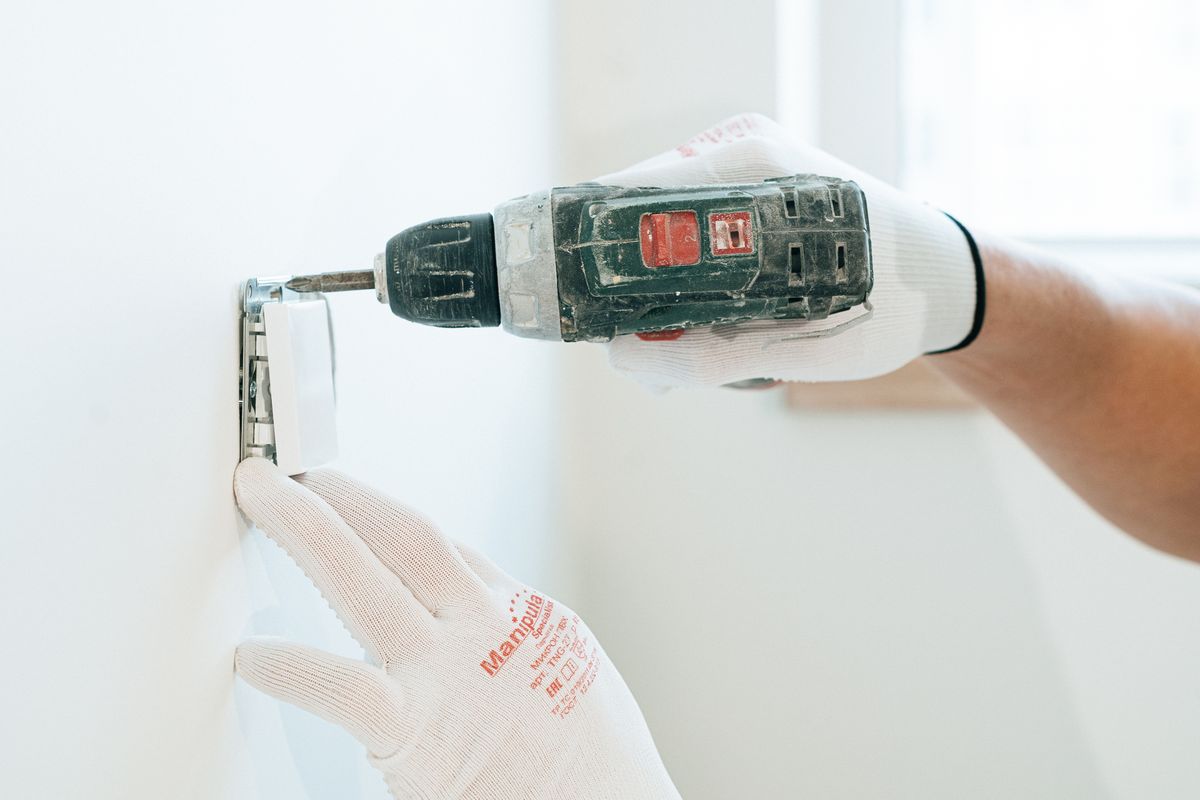
Photo by Adventure Studio, Pexels License
Whether cable concealment is a weekend DIY job or a call to a professional mostly comes down to whether the cord needs to go inside the wall or just along it. The cost gap between the two is bigger than most people expect.
Surface-Level Concealment: DIY Territory
Anything that routes along the wall rather than through it — a paintable cord hider wall channel, adhesive clips, a baseboard cord cover — is a DIY job with materials typically running $15–$60 depending on run length. No electrician, no wall-cutting, and most kits install in under an hour.
In-Wall Cable Routing: Where Professional Costs Start
Running a cord through the wall cavity itself, rather than along the surface, is a different job entirely. It usually means fishing cable through insulation, cutting low-voltage wall plates at both ends, and sometimes coordinating with an outlet relocation. Professional in-wall TV cable installs commonly run $150–$400 depending on wall type and distance, and that’s before any electrical work like adding a new outlet behind the TV.
When DIY Isn’t Actually Cheaper
If a DIY in-wall attempt goes wrong — a cord snagged in insulation, a wall cut in the wrong spot — the repair cost can exceed what professional installation would have cost from the start. In-wall work is the one category on this list where the DIY savings are smallest relative to the risk.
A Middle Option
For a lot of TV setups, a surface channel handles the visible run and an outlet-level fix like a cable-management outlet cover handles the cluttered plug end — both DIY, both under $50 combined, and both avoid the wall-cutting step that drives professional pricing up.
The Bottom Line
If the cord can run along the wall, do it yourself — the tools and kits are inexpensive and low-risk. If it needs to go inside the wall, get a quote before starting; a botched in-wall attempt often costs more to fix than professional installation would have in the first place.