Cord Safety for Pets: Keeping Cats and Dogs From Chewing Cables
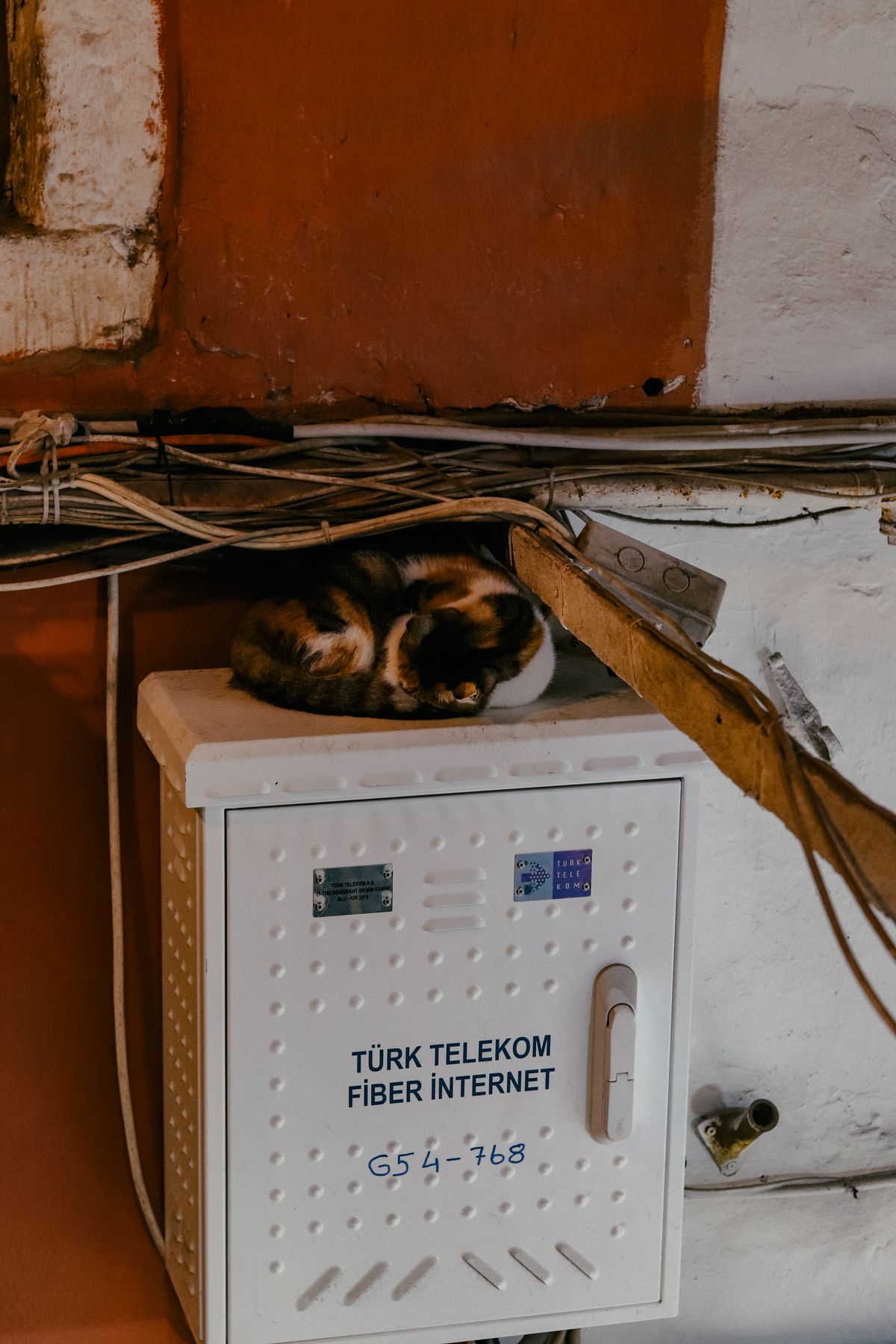
Photo by Esra Afşar, Pexels License
Cord safety products get marketed almost entirely toward childproofing, but cats and dogs — especially teething puppies and kittens — cause the same problem for a different reason: chewing. A chewed cord is a shock and fire risk either way, and the fixes overlap more than they differ.
Route Cords Where Pets Can’t Reach Them First
Before adding any product, the cheapest fix is routing cords up and out of a pet’s normal path — along the back of furniture at a height they don’t jump to, rather than across open floor where a curious cat or a bored puppy will find them.
Use a Chew-Resistant Cord Sleeve
A standard fabric cable sleeve won’t stop a determined chewer; look specifically for a cord cover rated as chew-resistant, usually a firmer coiled plastic or rubber sleeve rather than soft fabric. This matters most for cords near a pet’s favorite napping or perching spot.
Bitter-Spray Deterrents Work as a Backup, Not a Fix
A pet-safe bitter-tasting spray applied to exposed cord sections can discourage chewing, but it wears off and needs reapplying — treat it as a supplement to physical cord covers, not a replacement for them.
Watch Cords Near Cat Trees, Perches, and Crates
Any cord running near a cat tree, window perch, or dog crate is at higher risk simply because that’s where the pet spends unsupervised time. These spots are worth prioritizing over cords in rooms the pet rarely enters.
The Takeaway
Pet-proofing cords is mostly the same playbook as childproofing — get cords out of reach, cover what can’t be moved, and treat sprays as a backup layer. The main difference is that chew-resistant material matters more here than the tamper-resistant latches that matter for kids.