Are Cord Hider Walls Worth It? Pros, Cons, and Alternatives
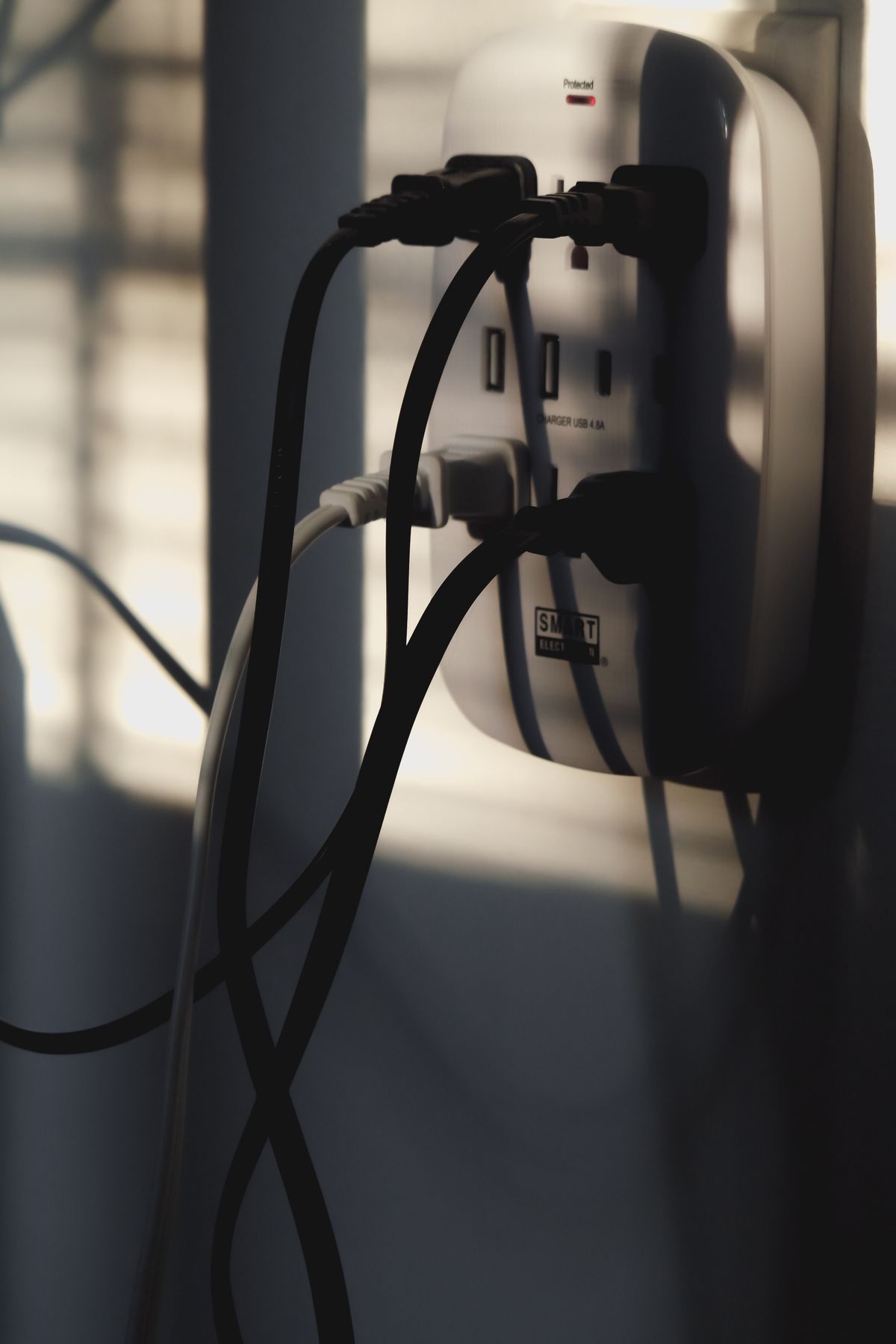
Photo by Steve A Johnson, Pexels License
A cord hider wall channel is one of the more visible cable management purchases you can make — it sits right on the wall, in full view, unlike a tray tucked under a desk. That visibility is exactly why it’s worth thinking through before buying, rather than grabbing the first one in search results.
The Case For
- It genuinely disappears when painted. A well-installed, color-matched channel reads as part of the wall at normal viewing distance, which no amount of clipping or bundling a cord against the wall achieves.
- It’s the only real fix for a cord crossing open wall space. If there’s no furniture or baseboard to route along, a wall channel is doing a job nothing else on the market does as cleanly.
- Most versions are fully removable, which matters if you rent or expect to reconfigure the room later.
The Case Against
- It’s a visible commitment. Unlike a cable hidden behind furniture, a wall channel is a permanent-looking design element on your wall, even though it’s removable — if you get the placement wrong, you’ll notice.
- Paint-matching takes effort. An unpainted or poorly matched channel is more visually distracting than the cord it’s covering would have been left alone.
- It only solves the wall-crossing segment. The moment the cord reaches an outlet or furniture, the channel’s job is done — you still need a separate plan for what happens at each end.
Alternatives Worth Considering First
- If the cord run is short, a few well-placed adhesive clips holding the cord flush against the wall may be less effort and nearly as clean.
- If the real issue is a cluttered outlet rather than a long wall crossing, a cable-management outlet cover solves that specific problem without adding anything to the wall itself.
- If you’re renting short-term, furniture placement that simply routes the cord behind a piece you already own can avoid the wall entirely.
The Verdict
A cord hider wall channel is worth it specifically when you have a genuine open-wall cord crossing with no furniture to route behind — a wall-mounted TV or shelf being the classic case. If your actual problem is a cluttered outlet or a short run near furniture, there’s a simpler, cheaper fix, and the wall channel would be solving a problem you don’t quite have.